
The Hidden Route to Study Abroad Free - What No One Tells You
October 9, 2025
The Dream That Turns Into Doubt
Every year, thousands of Indian students dream of studying abroad - imagining world-class universities, research labs, and global exposure.
But when they start searching, one question ends the dream for most: 'How will I afford it?'
That’s where commercial “consultancies” appear - promising admission in foreign universities, but at a heavy cost. They show glossy brochures and easy promises… and soon, the student is paying ₹25–₹60 lakh or taking huge loans.
Here’s the uncomfortable truth no one tells you: Most of those universities pay commissions to agents for bringing self-funded students. You’re not being “guided” - you’re being sold.
In psychology this is 'Authority Bias.' They sound experienced, so your brain assumes 'they must be right.' They don’t lie directly - they just hide what’s possible.
The Two Paths: Commission vs. Counsel
- Model: Commission-based. Goal: Fill paid seats at partner universities.
- University Choice: Limited to institutions that pay them a commission.
- Cost to Student: High (₹25–₹60 lakh), often leading to loans.
- Focus: Simply getting an admission, regardless of the financial burden.
- Model: Student-first. Goal: Secure the best possible funded offer for you.
- University Choice: 100% merit-based, tailored to your profile.
- Cost to Student: ₹0 tuition. You earn a stipend instead of paying fees.
- Focus: Securing scholarships and financial freedom for our students.
Why Most Students Never Hear About Funded Options
Information Overload (Cognitive Fatigue): Students see hundreds of “study abroad” ads, so their brains filter out what doesn't fit the familiar “pay-to-study” narrative. Fear of Rejection: Students assume scholarships are only for toppers, a myth born from comparison bias. Social Proof Illusion: 'My friend used an agent, so that must be the way.' People trust what’s common, not always what’s correct.
The Psychological Shift: From Compromise to Confidence
| Psychological Factor | Self-Funded (The Common Route) | Funded (The Hidden Route) |
|---|---|---|
| Loss Aversion | High (Fear of losing family savings or taking loans) | Zero (You are gaining, not losing) |
| Motivation | Driven by fear and pressure to justify the cost | Driven by pride, passion, and opportunity |
| Confidence | Dependent on financial safety and loan approval | Rooted in merit, achievement, and recognition |
| Decision Quality | Often emotional and rushed | Logical, strategic, and long-term focused |
When you remove the fear of money, your brain works better. You make smarter academic and career choices. That's why funded students often outperform - they start with clarity, not compromise.
Would a professor pick you?
Score your profile on the criteria they actually use: free, 2 minutes, no sign-up.
We don’t sell universities - we help you win opportunities. We guide you step-by-step to the world of fully funded education:
We've helped students from small towns, Tier 2 colleges, and middle-class families secure 100% tuition + stipend offers abroad.
The Commercial Model Says 'Pay for your dream.' EduSail Abroad Says 'Earn your dream.'
One route runs on your family's savings, the other on your own work. Students who take the second rarely look back. If you want to know which one your profile supports, start with the eligibility check.
Related Articles
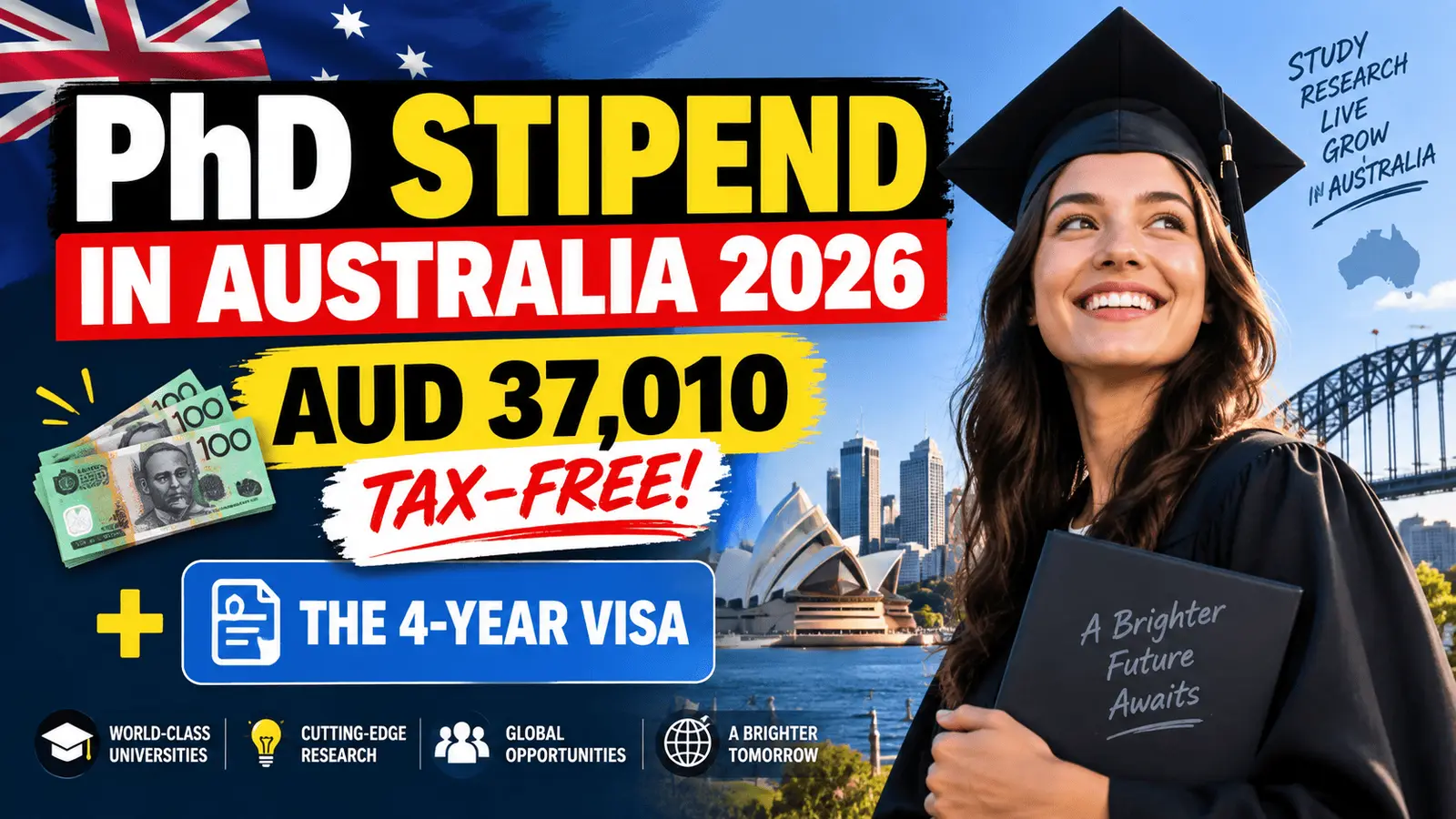
One government scheme funds nearly every PhD candidate in Australia, tax-free, at a university that also finishes in 3-4 years instead of 5-6. Here's what the Research Training Program actually pays in 2026, and the 4-year visa waiting at the other end.
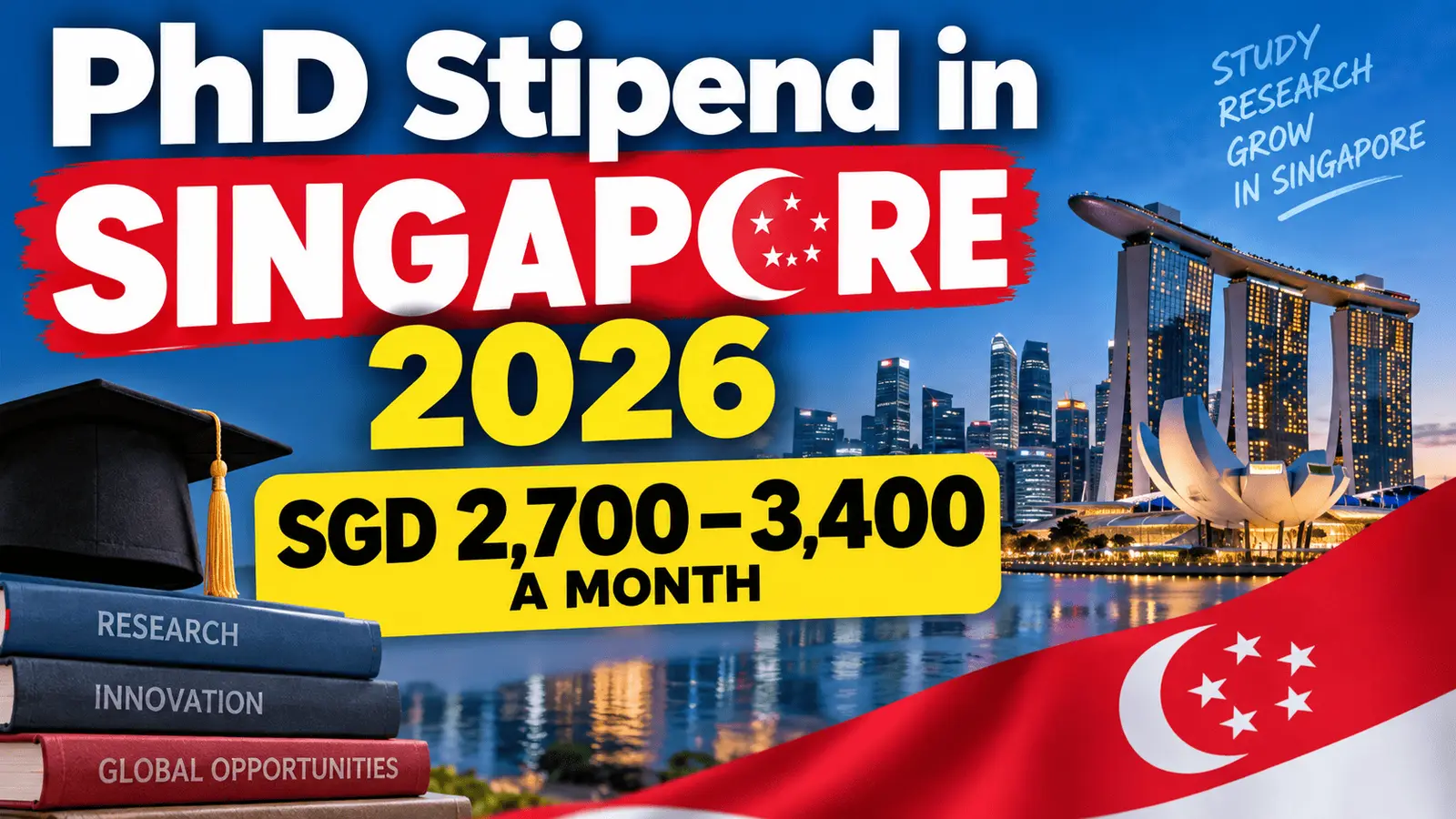
NUS and NTU sit inside the world's top 20 universities, a short flight from India, and fund almost every PhD candidate they admit. Here's what the stipend actually pays in 2026, the GATE detail most consultancies never mention, and the one honest gap in the deal.
One small error can cost you a full scholarship. Learn how to protect your dream from these common but fatal mistakes.